This question is very good 👍 — the "Color Rendering Index" (CRI) is indeed one of the important indicators when choosing lamps, especiallyeye-care lamps, classroom lamps, household lamps. Below I will explain it clearly to you in an easy-to-understand way:
🌈 I. What is the Color Rendering Index (CRI)
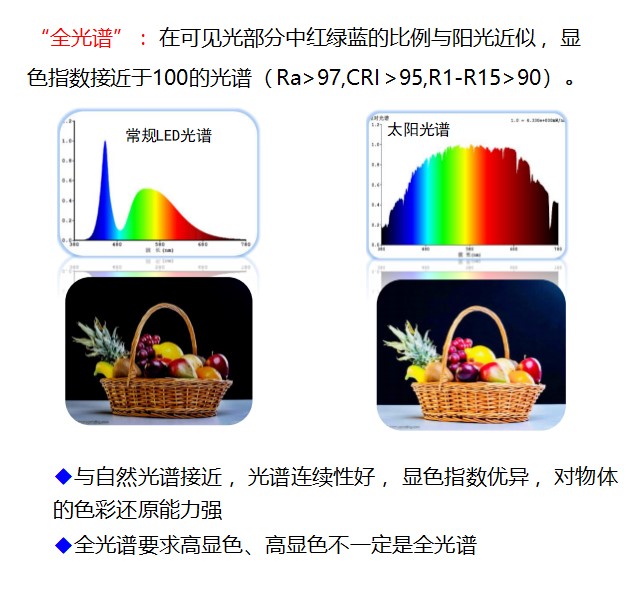
The Color Rendering Indexis used to measure the ability of light to restore colors.
Simply put:
The higher the CRI, the closer the colors seen under the light are to the true colors under natural light.
💡 II. How to read the values
| CRI (Ra value) | Color rendering effect | Description |
|---|---|---|
| 100 | Perfect | Equal to natural light (sunlight) |
| 90~99 | Excellent | Recommended for high-end lighting, art, and eye-care lamps |
| 80~89 | Good | Basically adequate for household lighting |
| 70~79 | Poor | Colors look grayish, not recommended for long-term use |
| <70 | Very poor | Prone to visual fatigue, severe color cast |
👉 Quick reference:
Household lamps ≥80
Eye-care lamps, classroom lamps ≥90
Medical, photography, painting ≥95
🧠 III. Why does a high CRI help protect the eyes?
- Under high-CRI light, colors appear true, and the eyes do not need to "compensate" or "correct" colors when identifying objects, soLess visual fatigue.
- Low CRI lighting causes color cast(e.g., greenish or bluish), and the eyes will unconsciously adjust, which is especially harmful for children reading and doing homework.
🧪 IV. How to Read Packaging or Specification Sheets
On lighting packaging and specification pages, you will generally see:
Ra ≥ 90 CRI > 95 Color Rendering Index: Ra95These formats all indicate the grade of color rendering index.
Some manufacturers only write "high color rendering" without specifying the exact value, so youshould be wary of marketing gimmicks.
🧍♀️ V. A Simple Visual Assessment Method
If you don't have testing instruments, you can use the "color comparison method":
- Take a colorful picture or colorful toy;
- Look at it under natural light (by a window during the day);
- Then place it under the light and look at it;
- If the colors turn gray, shift, or look unnatural, it means the color rendering index is not high.
🌟 For example:
| Luminaire type | CRI | Color performance |
|---|---|---|
| Classroom eye-protection light (good brand) | Ra95 | Book and skin colors are natural and soft |
| Poor-quality LED light | Ra70 | White paper looks bluish, skin looks yellowish or grayish |
| Fluorescent tube (old-style) | Ra80 | Barely adequate but with obvious contrast |
Would you like me to draw for you acomparison chart of CRI levels + actual visual differences?
You can see at a glance the difference between Ra80, Ra90, and Ra95 in color rendering.