
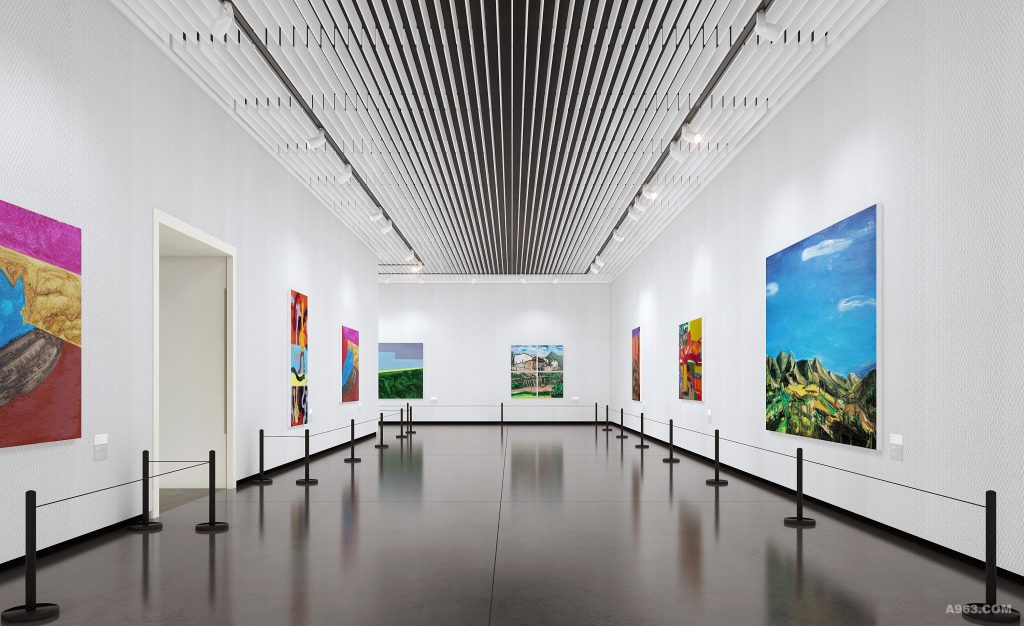
Lighting quality requirements
- High color rendering
- Luminaires need to have a high color rendering index (Ra), typically requiring Ra≥90, and for some high-quality display areas, even Ra≥95 is required. This is to accurately restore the true colors of exhibits, allowing visitors to see the most original color appearance of the exhibits. For example, for paintings, high color rendering lighting can make the colors of the artwork more vivid and realistic, and visitors can more clearly appreciate the painter's color techniques and the color coordination of the work.
- Appropriate color temperature
- Different types of exhibits require different color temperatures to show the best effect. Generally speaking, for exhibits such as paintings and textiles, a color temperature between 3000K and 3500K is more suitable. This warm white light can create a warm and comfortable viewing environment, making the exhibits more approachable. For some modern art works or metal and glass products, neutral white light of 4000K - 5000K may better highlight the texture and modern feel of the exhibits.
- Uniform illuminance distribution
- The illuminance in the exhibition areas within the museum should be uniform, avoiding obvious differences between light and dark. Generally, the illuminance uniformity is required to be no less than 0.7, and the illuminance uniformity in key exhibit areas should be higher. Uniform illuminance allows visitors to avoid visual fatigue caused by changes in light and dark when viewing exhibits, and enables them to appreciate the details of the exhibits more comprehensively and clearly. For example, when displaying a large oil painting, if the light is not uniform, part of the picture may be too bright or too dark, affecting the visitor's understanding and appreciation of the entire work.
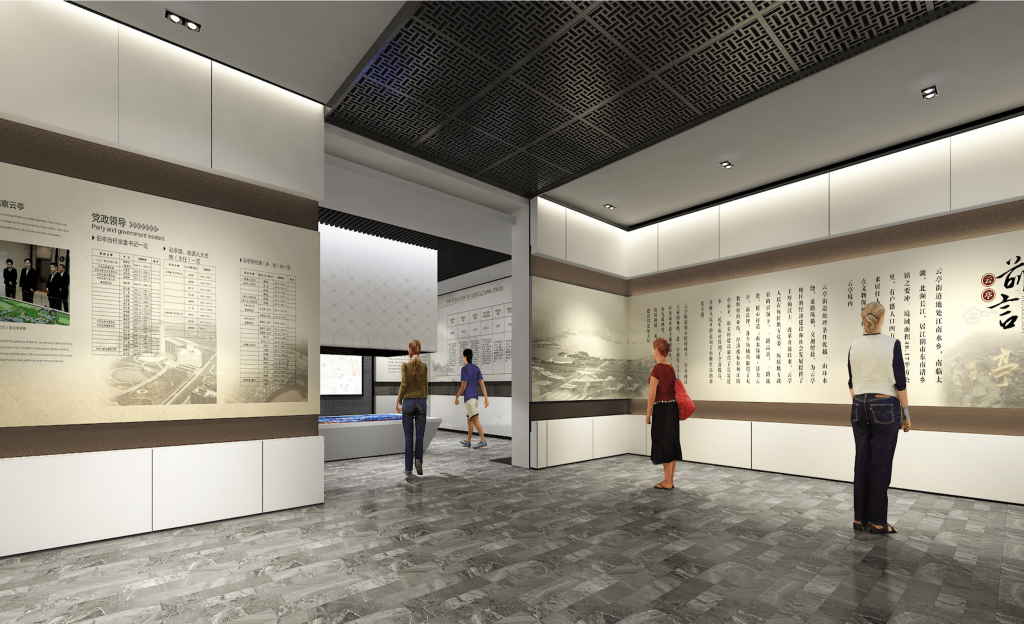
Exhibit protection requirements
- Low ultraviolet and infrared radiation
- Ultraviolet and infrared rays can cause damage to exhibits, such as yellowing and fading of paper, aging and embrittlement of textiles, and discoloration of pigments. Therefore, luminaires used in art galleries and museums should strictly control the amount of ultraviolet and infrared radiation. For example, special filter materials can be used to filter ultraviolet and infrared rays, or light sources with lower radiation themselves can be selected, such as LED light sources, whose ultraviolet and infrared radiation is much lower than that of traditional light sources.
- Low heat output
- Excessive heat will cause the temperature around the exhibits to rise, accelerating the aging and damage of the exhibits. Luminaires should have the characteristic of low heat output to avoid thermal damage to the exhibits. LED luminaires have obvious advantages in this regard, as they have high luminous efficiency and generate relatively little heat, which can effectively reduce the thermal impact on exhibits.
Safety and stability requirements
- Electrical safety
- The electrical system of luminaires must comply with strict safety standards, with good insulation performance and grounding protection, to prevent electrical accidents such as leakage and short circuits. In humid environments, such as museum basements or underwater cultural relic display areas, luminaires also need to have moisture-proof and waterproof functions to ensure safe use.
- Stability
- Luminaires should be highly stable and capable of emitting light steadily over long periods, avoiding phenomena such as flickering and stroboscopic effects. Flicker can affect the visual health of viewers and also compromise the display effect of exhibits. Therefore, the driver power supply of luminaires should have good stability and anti-interference capability to ensure stable output of the light source.
Flexibility and Controllability Requirements
- Adjustability
- Luminaires should have adjustable functions, including brightness adjustment, angle adjustment, and so on. By adjusting brightness, an appropriate lighting environment can be created according to different exhibits and display needs; by adjusting the angle, key parts of exhibits can be highlighted, enhancing their three-dimensionality and layering. For example, when displaying a sculpture, adjusting the angle of the luminaire can make the sculpture's outline clearer and its texture more pronounced.
- Intelligent Control System
- Art museums and museums typically need flexible lighting control based on factors such as different exhibition themes, times, and visitor numbers. An intelligent control system can achieve centralized control, group control, scene control, and other functions for luminaires, making it convenient for management personnel to adjust lighting according to actual conditions. For example, during the daytime, light brightness can be appropriately reduced to save energy; when holding special exhibitions, preset scene modes can quickly adjust lighting effects to create a unique atmosphere.
Aesthetic and Concealment Requirements
- Appearance Design
- The appearance of luminaires should harmonize with the overall architectural style and exhibition environment of art museums and museums, and should not be overly obtrusive. The design of luminaires can be simple and elegant, or can have a certain artistic quality, to enhance the aesthetic appeal of the exhibition space.
- Concealed Installation
- In order not to affect the display effect of exhibits and the viewing experience of visitors, luminaires should be installed in a concealed manner as much as possible. For example, embedding luminaires into ceilings, walls, or display cases, so that visitors' attention is focused on the exhibits and not distracted by the luminaires.